| INSIGHT 2013 | ||||||||||||||||||||||||
 Minister of Himachal Pradesh. Minister of Himachal Pradesh. |
||||||||||||||||||||||||
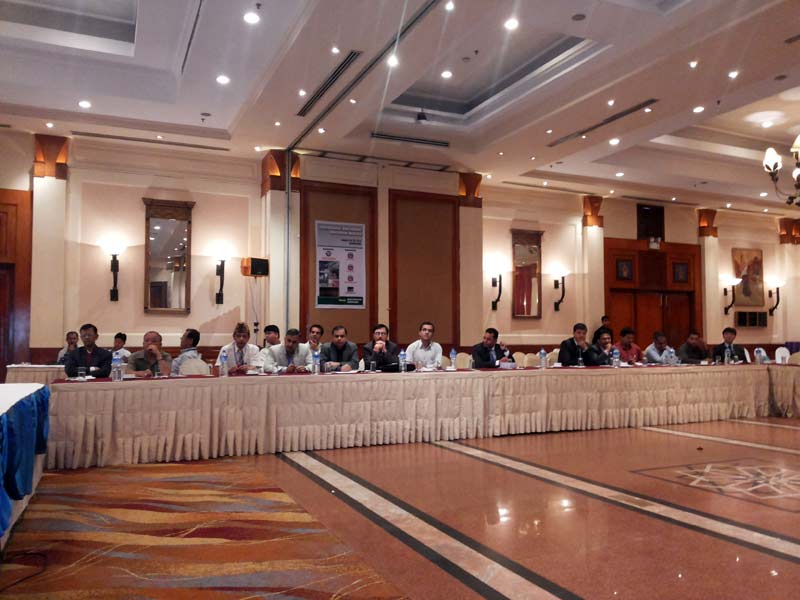
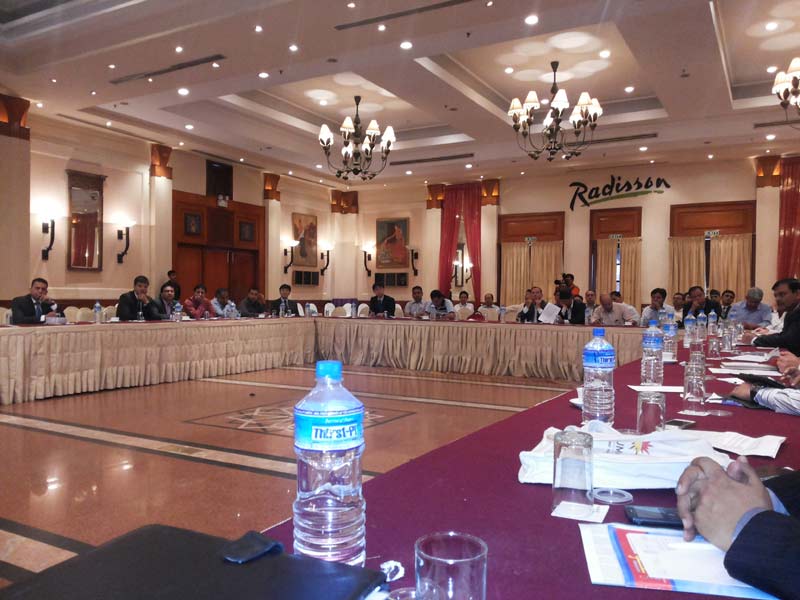
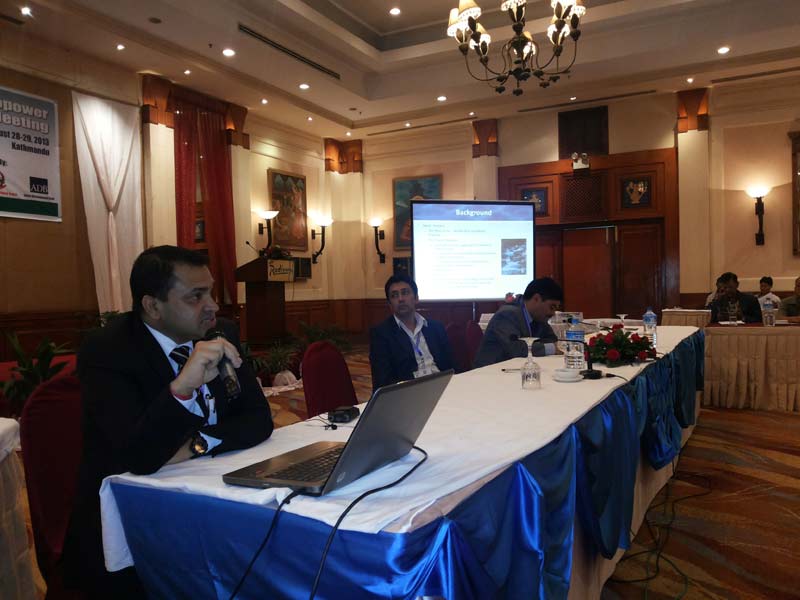
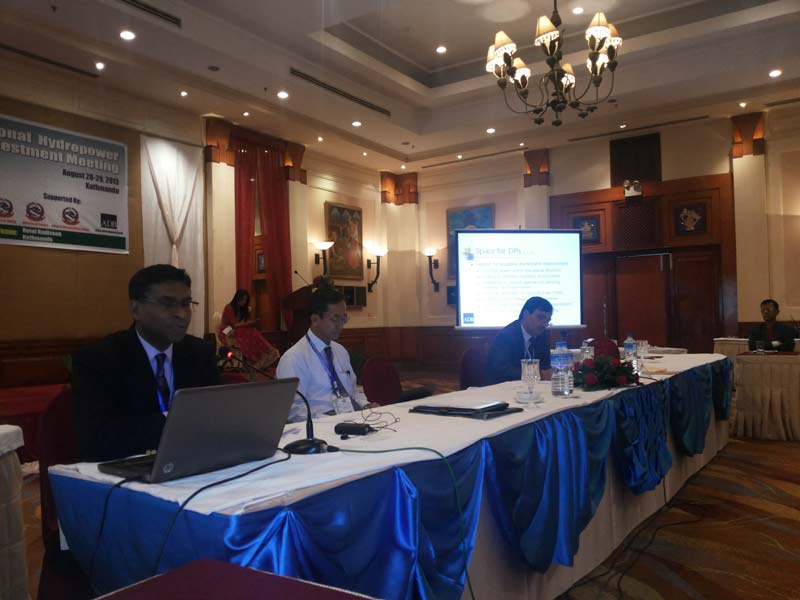
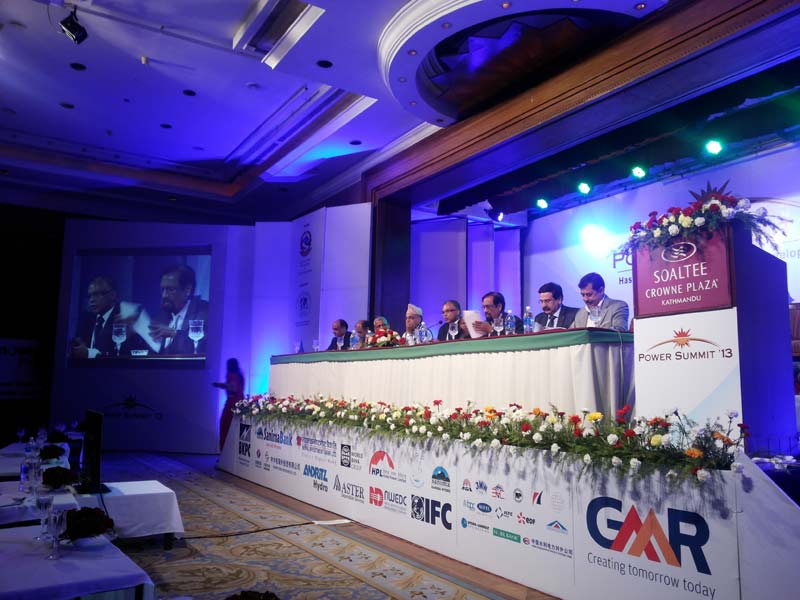
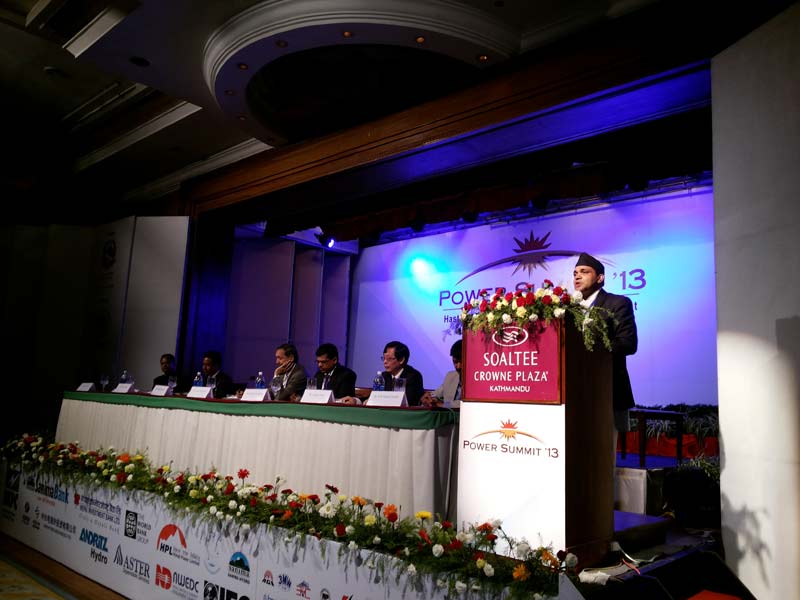
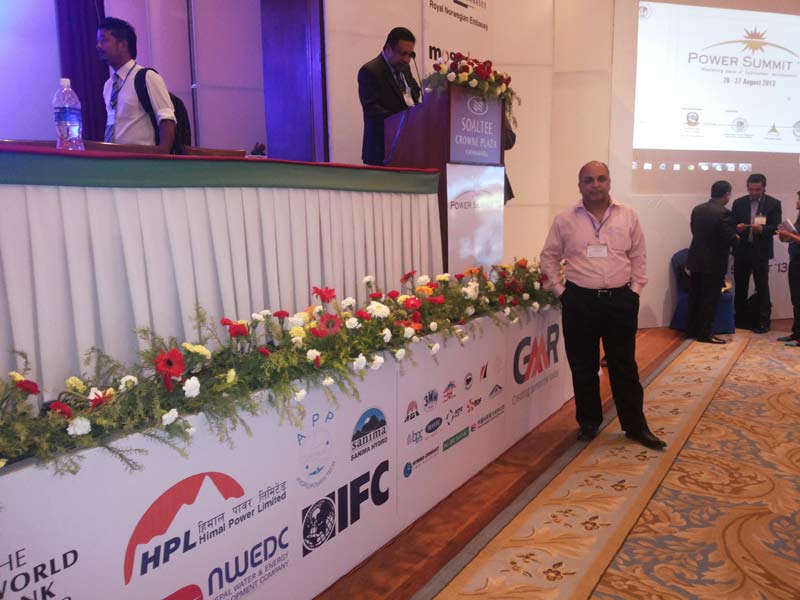
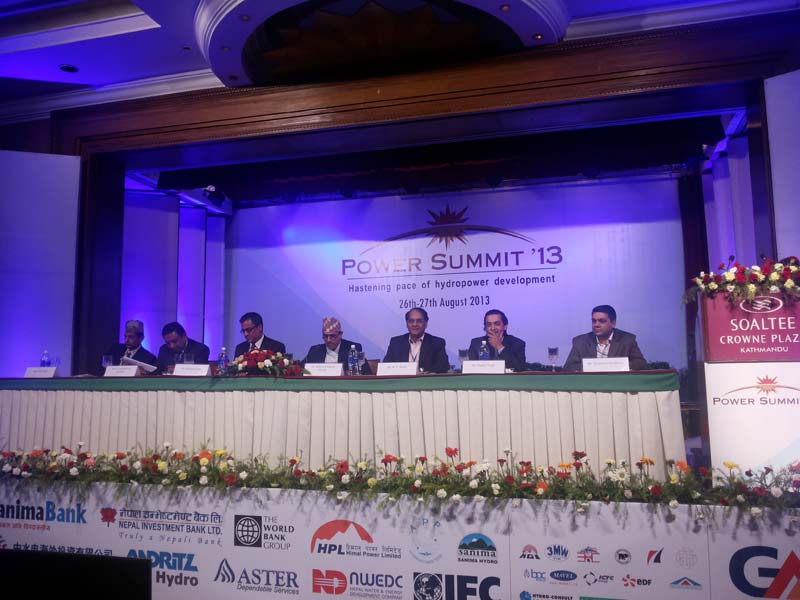
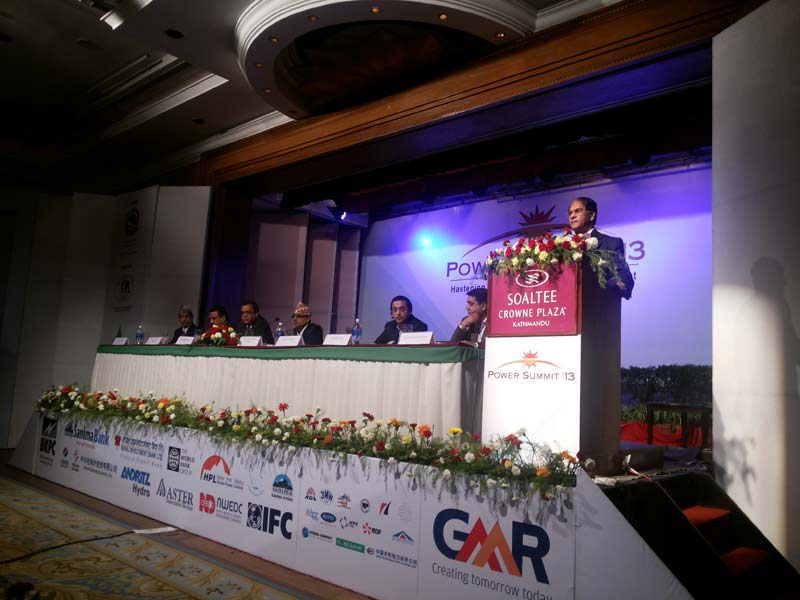
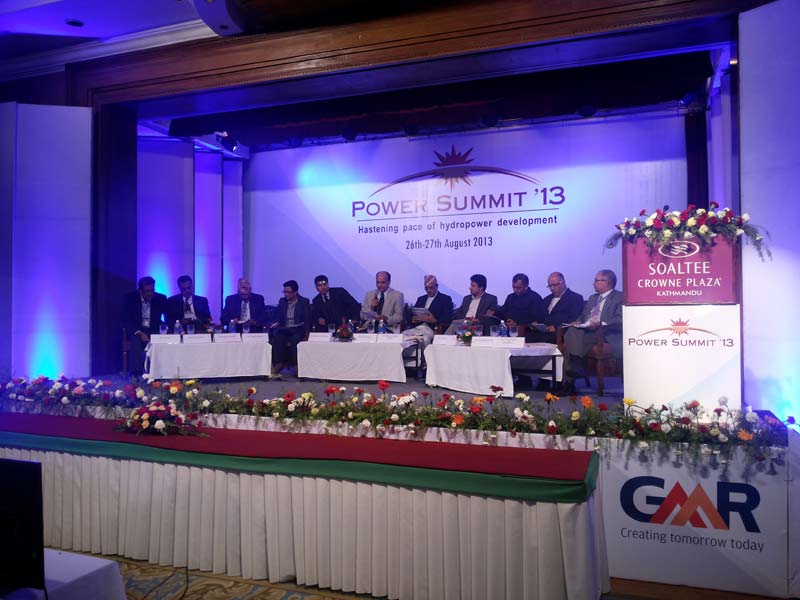
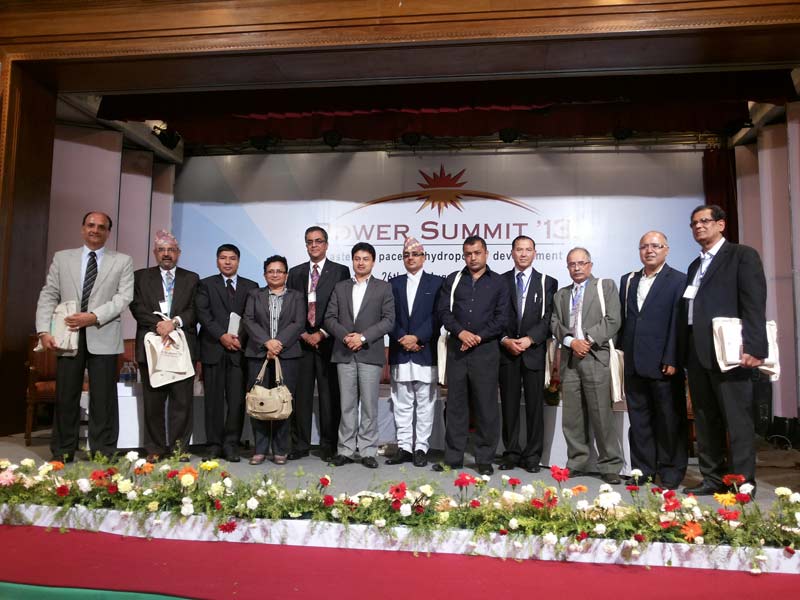
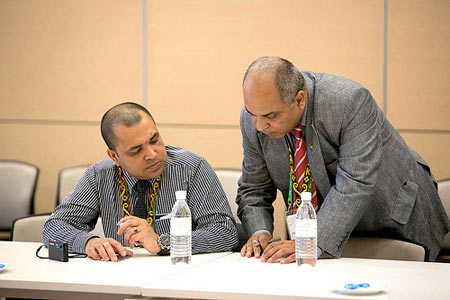
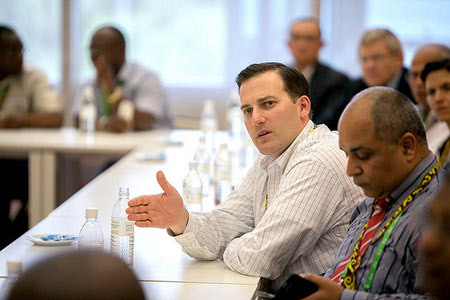
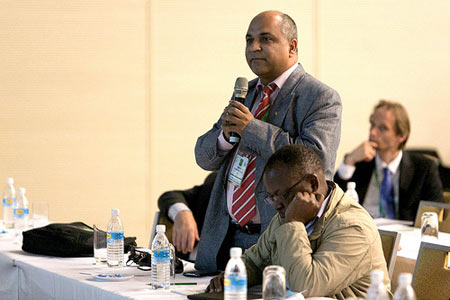
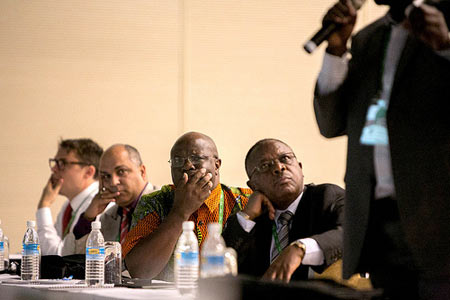
| KHPPL IN POWER SUMMIT NEPAL |
||||||||||||||||||||||||
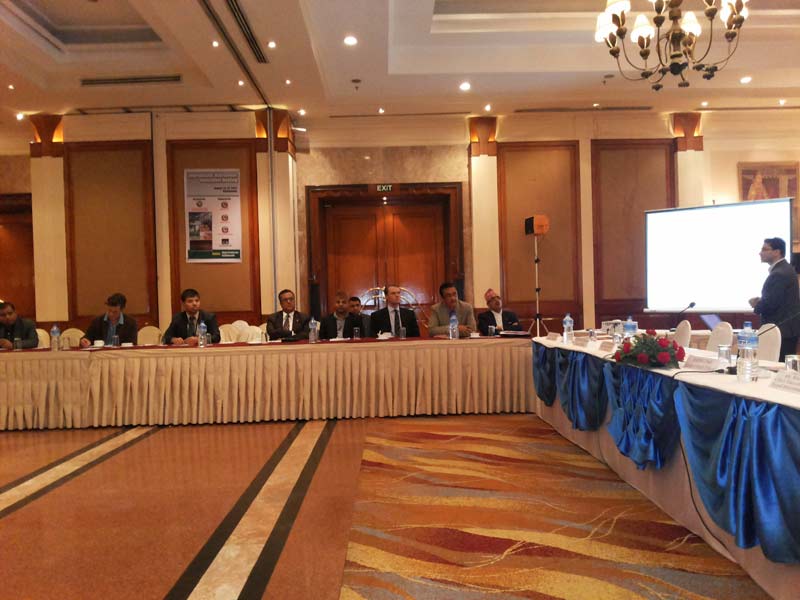
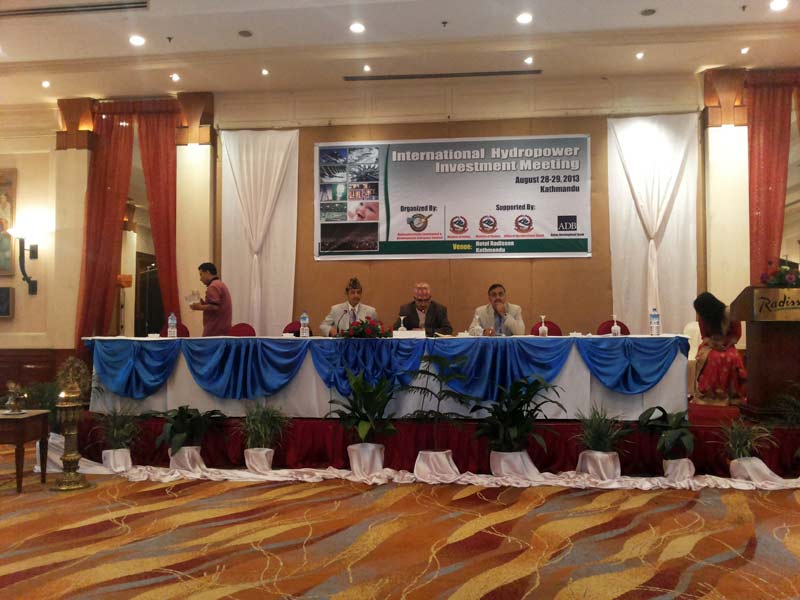
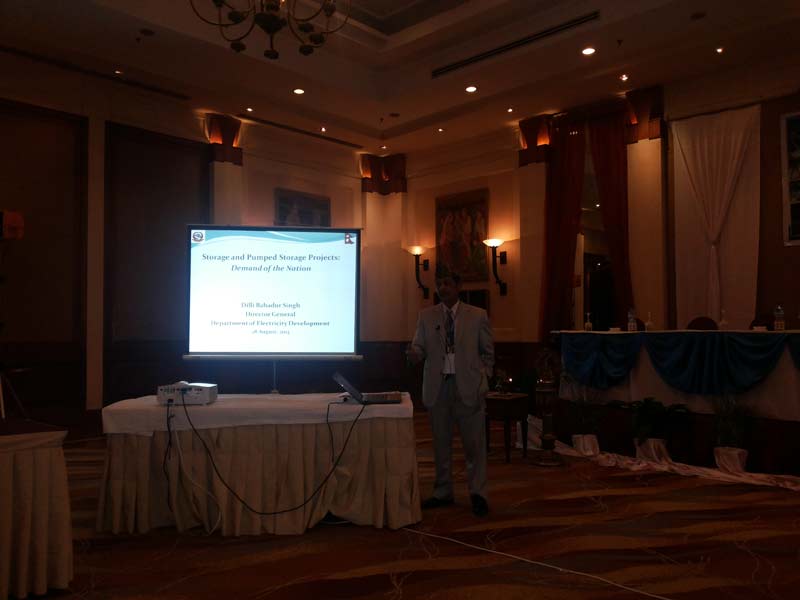
| Investment Meeting in Nepal on 28th or 29th August, 2013 | ||||||||||||||||||||||||
|
||||||||||||||||||||||||
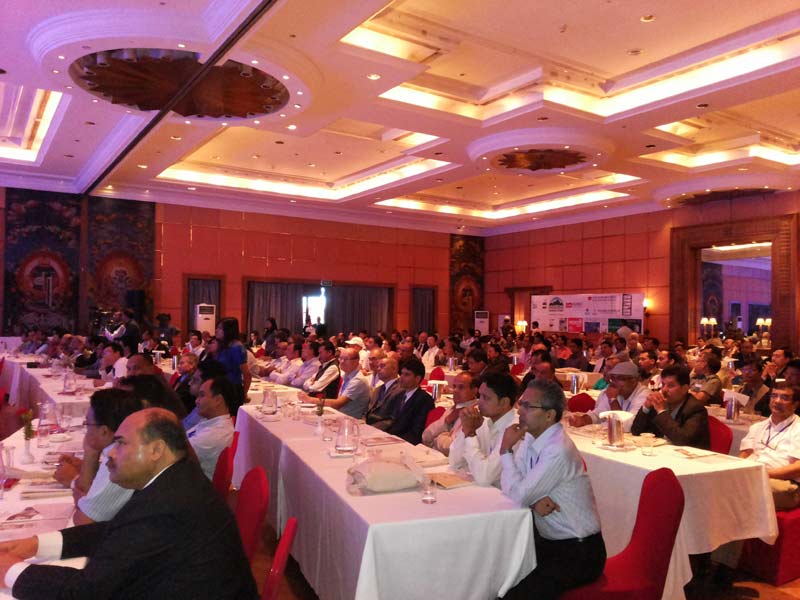
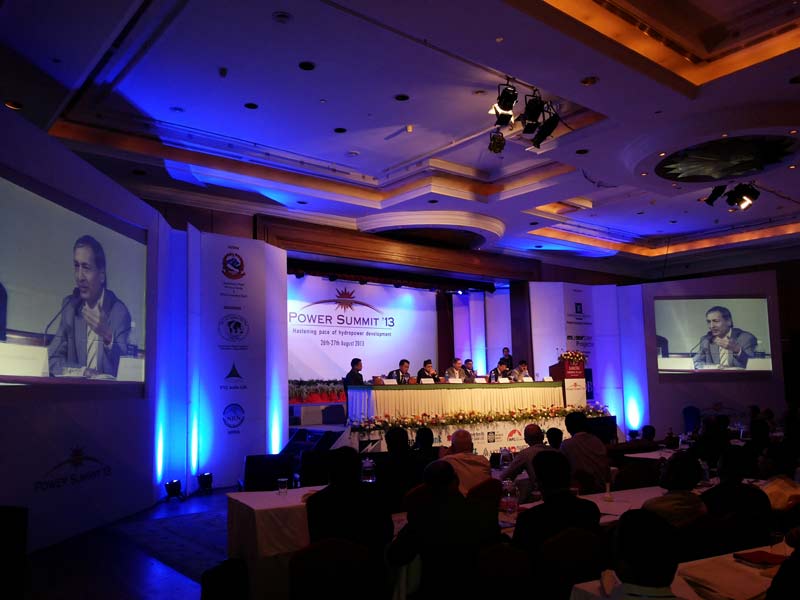
Power Sumit in Nepal in 26th or 27th August 2013 |
||||||||||||||||||||||||
|
||||||||||||||||||||||||
Panel Discussion : Meeting Nepal's Domestic Demand Issues: 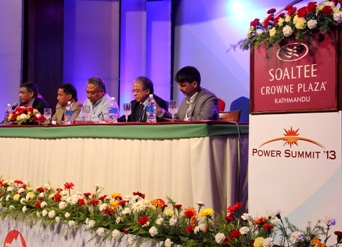 1. Is there a domestic demand? Can NEA demand forecast be taken as a basis for developing domestic projects? 2. Are IPPs being crowded out? 3. How do we implement market based electricity pricing? 4. Is achieving South Asian Average energy consumption a realizable vision for Nepal? By when? Panelist: Prof. Amrit Nakarmi, Dr. Govind Nepal, Dr. Ram Manohar Shrestha, Dr. Krishna Chandra Paudel, Dr. Rabin Shrestha, Mr. Vivek Mishra, Dr. Subarna Das Shrestha, Tuk Prasad Paudel Moderator: Anil Chitrakar What is the current demand, and what is it going to be in 2020? Prof. Nakarmi- Demand is a complex quantity. Demand depends on two things- the economic growth and population growth. Demand for energy for lighting, cooking, transportation is a complex thing. When we consider demand, we need to look with systems approach- energy demand will depend on what the economic growth is and the population growth is at a certain time. Dr. Rabin Shrestha – Demand calculation is a purely economic factor, so it would be quite hard to make an accurate projection. Dr. Ram Manohar Shrestha - You use energy for the sake of using services. You need gasoline, electricity etc for the services you need. So forecasting will also need to account of the services that is being used. In a country such as us, almost 60% (number have controversy) have some more or less some access of electricity. If the government is thinking of extending the electricity service that itself also becomes the factor in demand forecasting. You cannot also ignore the rapid urbanization taking place which needs to be considered when we do forecasting. The structure of economy – such as transportation will also need electricity. It may not be feasible now but it has to be taken account. Around if 30% transportation of Nepal can be shifted to electricity transport, that itself will require another 800 MW by 2015. Narendra Prajapati: Do we create demand or do we forecast demand? Looking at the load shedding hours we need power but look at PPA, it has been held. If PPA are not incentivize they will not stay here. The current allocation of finance by the government is good, but where will the money go? To harness private sector or for the government agencies. Dr. Ram Manohar Shrestha - How credible is the demand forecast process? How transparent is it? The Thai government has an independent load forecast committee which is represented by industry, academia, private sector-a diverse group of stakeholders and experts. The process in Nepal is not transparent and responsible like that. Crowding out of IPPs is a consequence of bad pricing. The NEA regulates the pricing of electricity which could be creating the crowding out effect. Unless pricing strategy will be designed for both retail as well as buying the continue problem may exists. Prof Namarmi - Crowding out is a very complex issues. Monopsony has only one buyer. There has to be more avenues to sell. The tariff issues also a big issues. In Bombay reliance is providing electricity to Maharastra Government. They are using price variation mechanism for the market. Mr Rabin Shrestha- Crowding out effect is not related to the demand forecast. A factory in a remote village with too many prospective laborers wanting to work for the factory is a typical case of monopsony. The solution to this is setting up another factory. Similarly, there is a need for regulation that prevents such monopsony in the power sector in Nepal. How should we be using pricing more effectively? Rabin Shrestha – In order to achieve a competitive price, one should have access to the market. The first thing is you need an open access system. IPP should be allowed to IPP do not necessarily sell it to NEA. Market based pricing originates creates better pricing, which may call for reform of NEA. Prof. Manohar – Pricing is a complicated and sensitive issue from investor social and political angle. What is the willingness to pay? Willingness to pay comes from the user side. Residential will have different willingness to pay than say commercial or industrial side. How much are the supplier’s willingness to sell also comes into account? I think supply demand side has to be balanced. Nepali policymakers should taken into account the cost of selling electricity during the dry season and the wet season. People who are in disadvantaged group should perhaps gets some consideration and benefits. Is achievement South Asia Average energy consumption a realizable vision for Nepal? By When? Narendra Prajapati- We are at the lowest bottom. Our average per capita is 100 KwH where as rest of SA is much higher. Prof. Manohar – IPPs are being crowded out- the NEA forecast model was prepared 10 years ago, but we see that the model is working still. Why? Because a big percentage of the population is working abroad. NEA fears that it will go bankrupt with the new model we are developing. NEA should be focusing on the peaking generation plants, but NEA supported Run-of-river type projects, due to which we will face shortage during peak times. The NEA should go for a new forecast model. Robin Shrestha – We do not have an energy policy. We need a road map. I am not very clear on what the Government view is on reducing fossil fuel, or biomass. Energy efficiency, energy mix are all a factor of energy policy. Such roadmap also has to change as we move on. Prof. Nakarmi- The government needs an integrated energy policy. What do we want to for powering households, how do we power industries. International Energy Agency has said that at least 800 KWh of energy by 2030. |
||||||||||||||||||||||||
| IHA's Richard Taylor discusses Hydroelectric Power's place in upcoming World Energy Congress. |
||||||||||||||||||||||||
|
||||||||||||||||||||||||
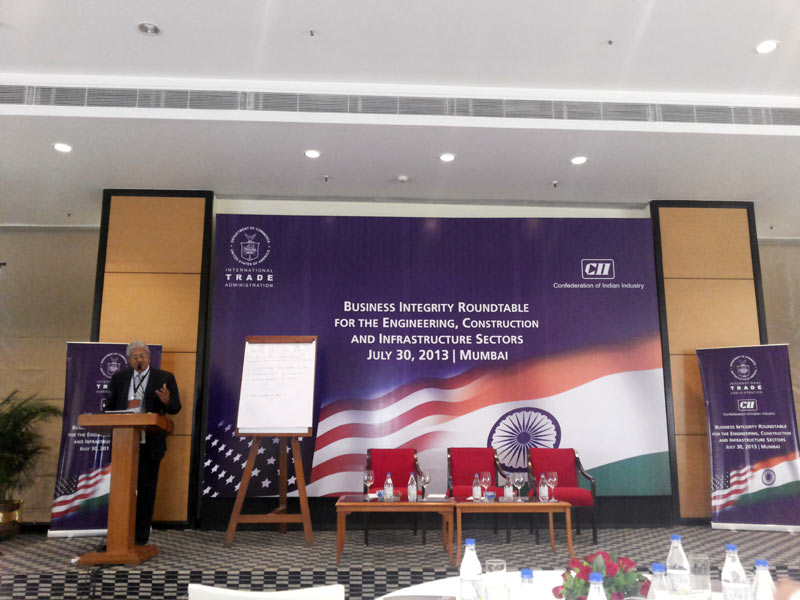
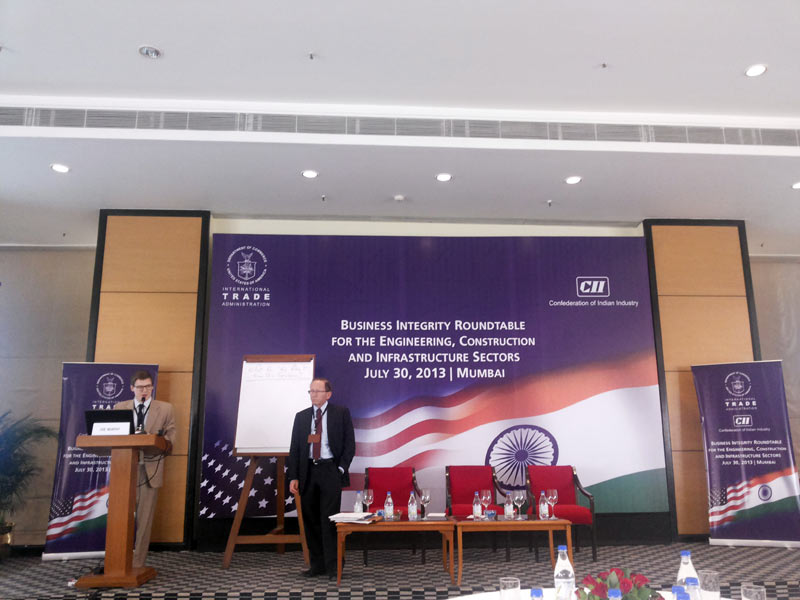
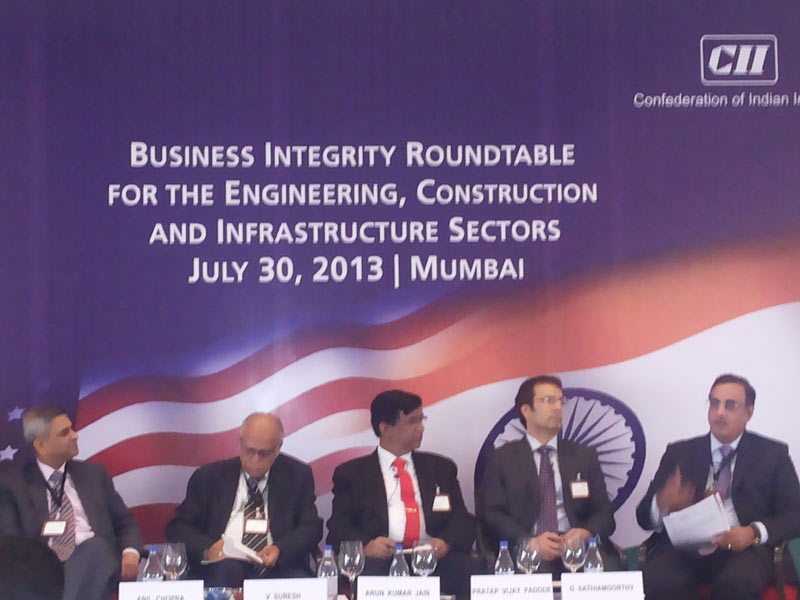
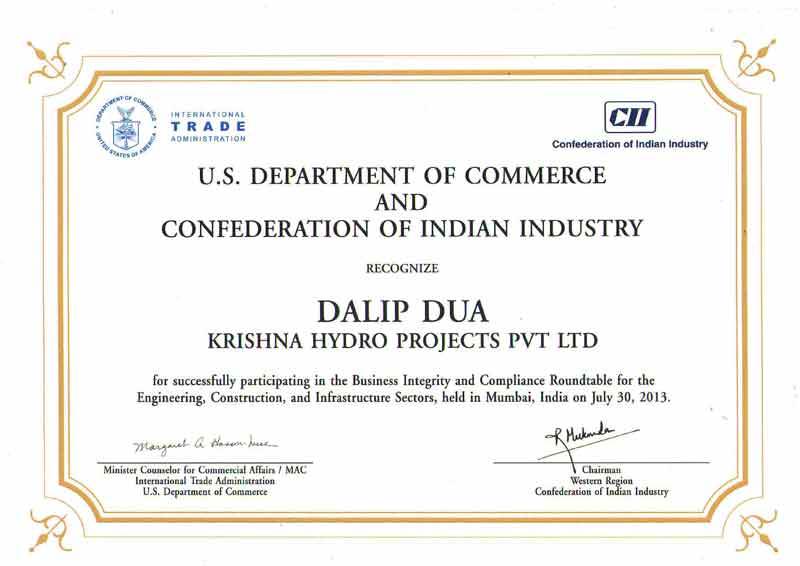
| " KHPPL Presence in Roundtable on Business Integrity and Compliance for Engineering & Construction Sector - Mr Dalip Dua was recognized by U.S. Deptt of Commerce & CII" | ||||||||||||||||||||||||
| U.S. DEPARTMENT OF COMMERCE AND CONFEDERATION OF INDIAN INDUSTRY RECOGNIZE MR. DALIP DUA KRISHNA HYDRO PROJECTS PVT LTD FOR SUCCESSFULLY PARTICIPATING IN THE BUSINESS INTEGRITY AND COMPLIANCE ROUNDTABLE FOR THE ENGINEERING, CONSTRUCTION, AND INFRASTRUCTURE SECTORS, HELD IN MUMBAI, INDIA ON 30TH JULY 2013. |
||||||||||||||||||||||||
 |
||||||||||||||||||||||||
| Mr Dalip Dua from KHPPL participated in Energy Program of CII where he heard Mr Montek Singh Ahluwalia on Government of India extensive Plans of Energy Security as "Sustainable Hydro Development - One of the important module". |
||||||||||||||||||||||||
| Uttarakhand a case against hydel power. |
||||||||||||||||||||||||
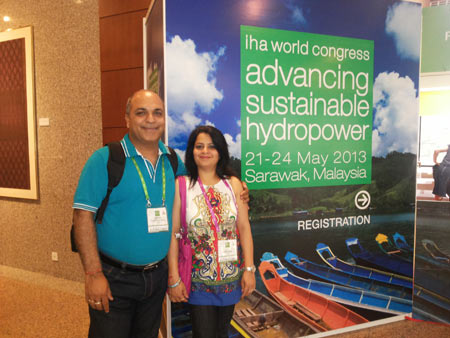
| Mr.DalipnDua and Mrs. Soniya Dua Participated in IHA. |
||||||||||||||||||||||||
  |
||||||||||||||||||||||||
| Summarised Session in International Hydro Association. |
||||||||||||||||||||||||
|
||||||||||||||||||||||||
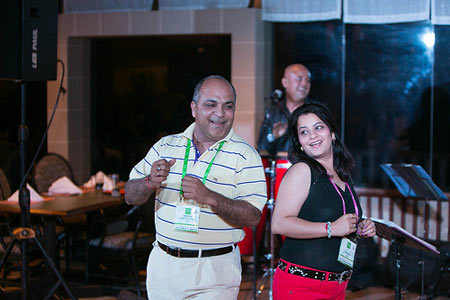
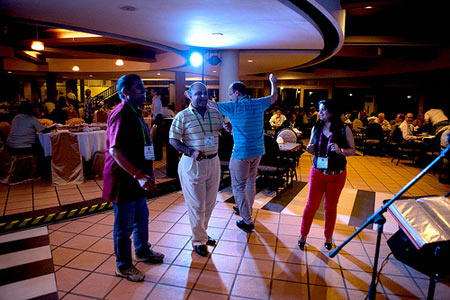
| Evening with International Hydro Family member. | ||||||||||||||||||||||||
  |
||||||||||||||||||||||||
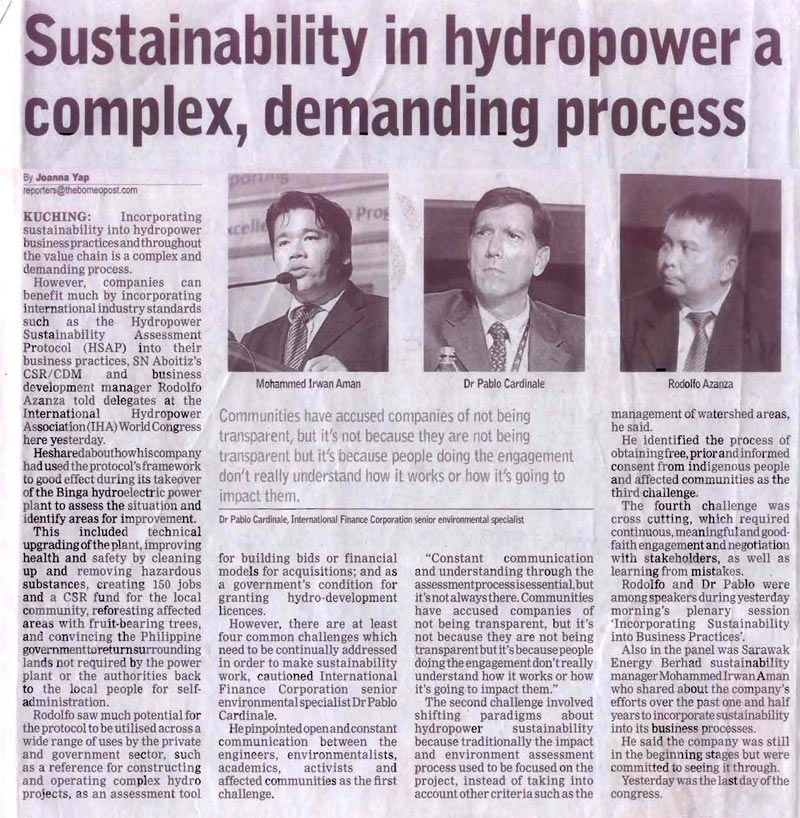
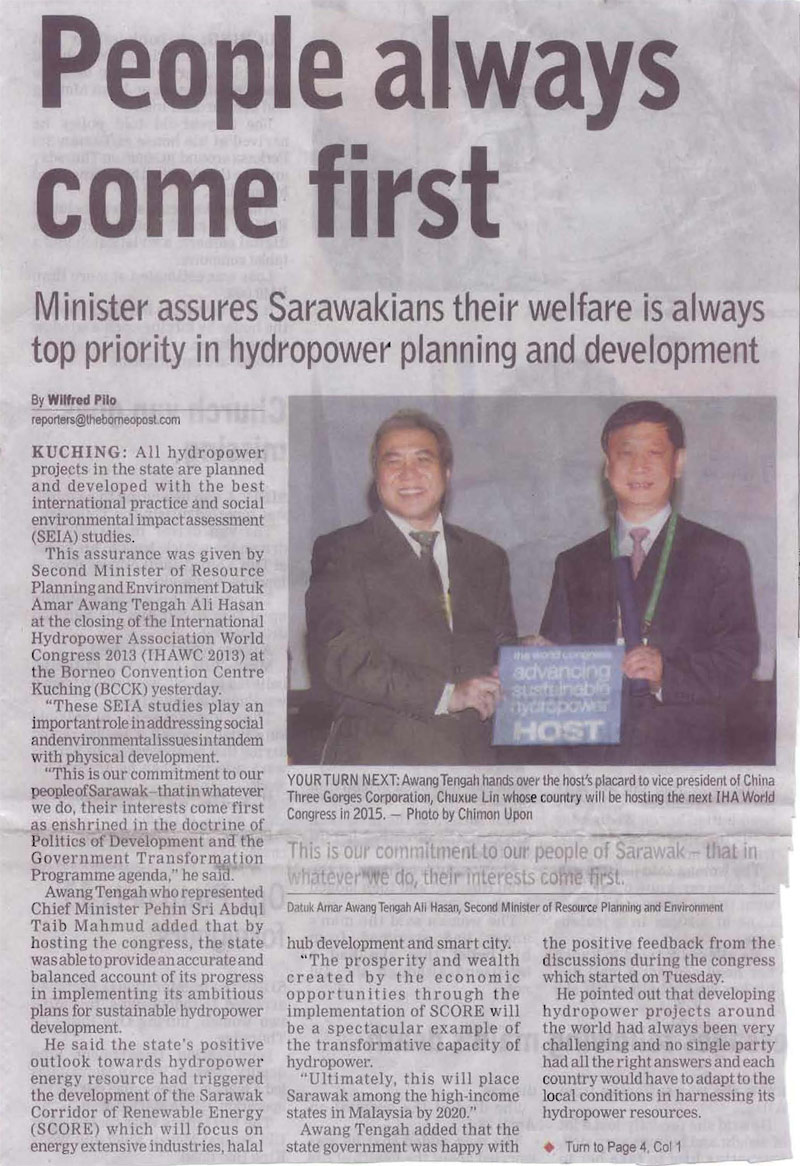
| International Hydro Association Participation of KHPPL raises Horizon. |
||||||||||||||||||||||||
| KHPPL proposes knowledgesharing with korean. |
||||||||||||||||||||||||
| KHPPL planning International division. |
||||||||||||||||||||||||
  |
||||||||||||||||||||||||
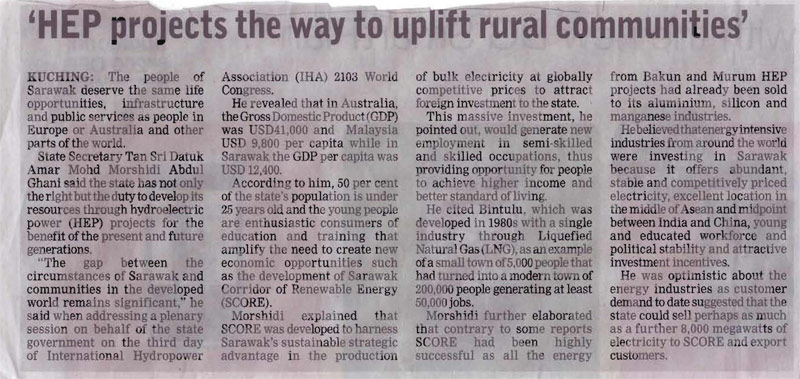
| HEP Projects the way to uplift rural communities. |
||||||||||||||||||||||||
 |
||||||||||||||||||||||||
| International Hydro Association goes to China in June 2015. |
||||||||||||||||||||||||
Hydro Power Transforming China’s Growth & GDP Significantly, the growth of a nation depends on the reduction of fuel Import envisaging Energy Security for the country & building sustainable future of next generation. We in India need to look beyond our house & become visionary in “BHARAT NIRMAN”. |
||||||||||||||||||||||||
| Interaction for Investment in Nepal. |
||||||||||||||||||||||||
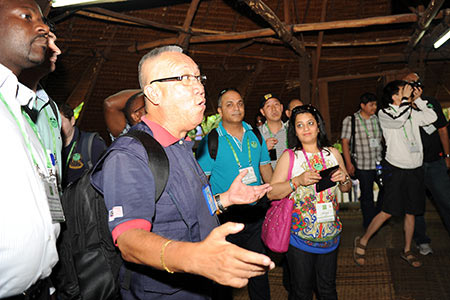
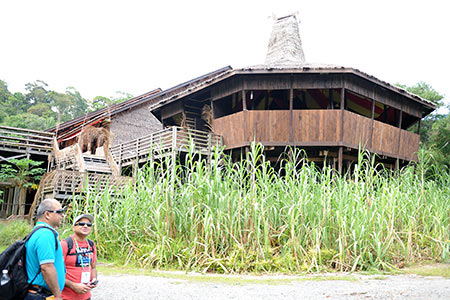
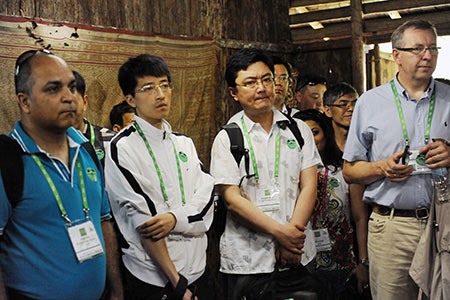
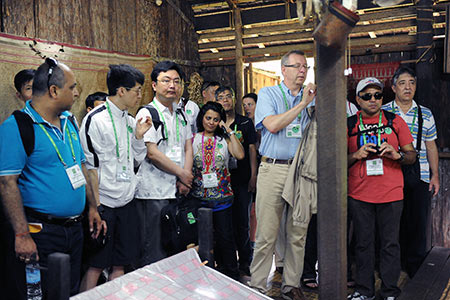
| Interaction with Viligors of Sarawak. |
||||||||||||||||||||||||
| Mr. Dalip Dua Appointed CII Renewable Task force member for 3rd Year Consecutively. |
||||||||||||||||||||||||
| KHPPL visits Nepal for Hydro Issues of Connectivity to India and Wheeling Charge?? |
||||||||||||||||||||||||
| Governor Delaware USA visits India and Mr. Dalip Dua meets him to understand capital for renewable availability to Indian Projects. |
||||||||||||||||||||||||
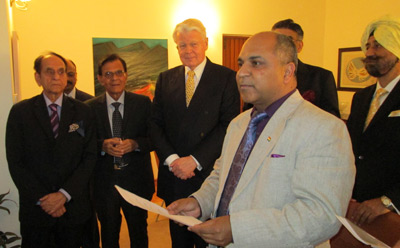
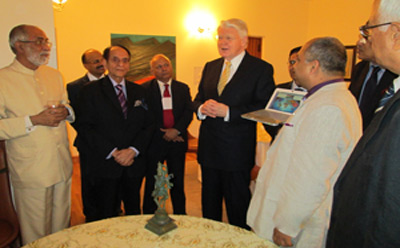
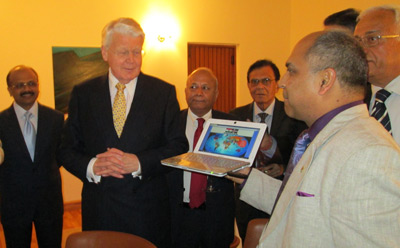
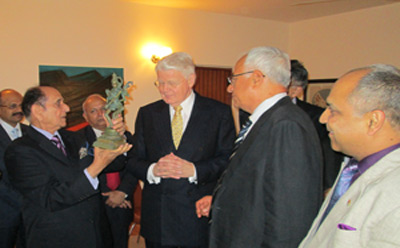
| Indo Icelandic Business Association website launched by President of Iceland and Mr. Dalip Dua Participated in the function New Delhi. |
||||||||||||||||||||||||
|
||||||||||||||||||||||||
| Infrastructure Project of Personal Transportation |
||||||||||||||||||||||||
| Unique Technology and Innovative Solution for Urban India, Being Dwelled by Mr Dalip Dua. |
||||||||||||||||||||||||
| Mr Dalip Dua participated in FNCCI Meeting of Hydro Development in Nepal. |
||||||||||||||||||||||||